Written by
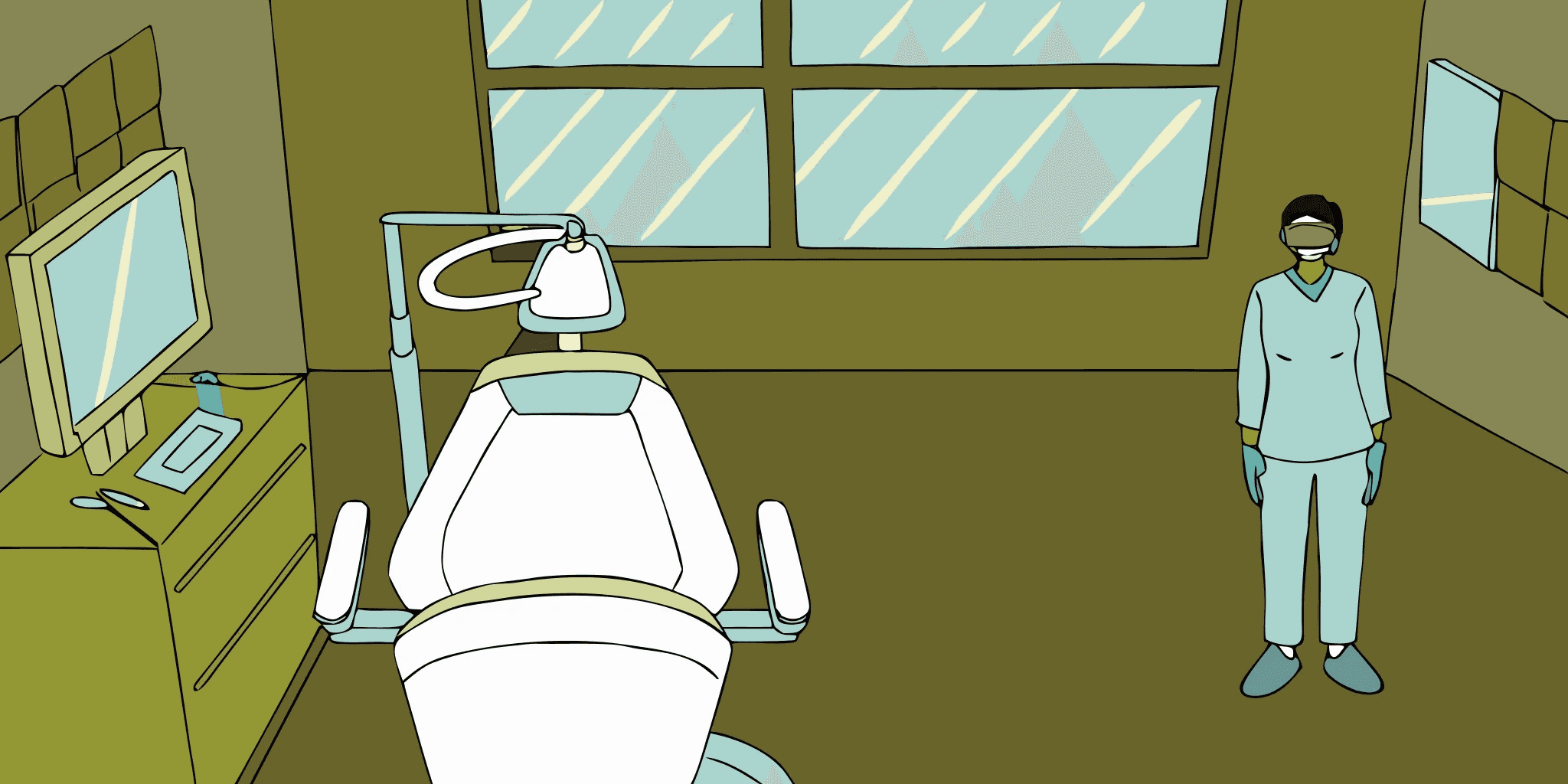
Your patients trust you with their health, and that trust extends to the sensitive data you store. Protecting this information isn't just good practice; it's a legal requirement under HIPAA, and the consequences of a data breach can be devastating for your reputation and finances. Cybersecurity is no longer a background task—it's a frontline defense. A general IT provider might apply a standard security template, but your practice needs more. You need a team that understands the specific vulnerabilities within a dental environment. Effective it support for dental practices prioritizes robust security measures, from data encryption and secure backups to proactive threat monitoring, ensuring you remain compliant and your patients' information stays safe.
Key Takeaways
Prioritize dental industry expertise: A general IT provider won't understand your practice management software or HIPAA compliance needs, which can lead to slower fixes and potential security risks.
Demand proactive service with clear guarantees: Don't settle for reactive support. A great partner monitors your systems 24/7 and provides a guaranteed response time so you're never left waiting during a crisis.
Evaluate partners on more than just price: Look for a provider who offers a blend of remote and on-site support, can grow with your practice, and has positive, specific reviews from other dental offices.
What IT Support Does Your Dental Practice Actually Need?
Running a dental practice involves much more than patient care. You’re also managing a complex ecosystem of technology, from digital imaging and practice management software to patient scheduling and billing systems. The right IT support isn't just about fixing a computer that won't turn on; it's a critical part of your practice's operations, security, and patient trust. When everything works seamlessly, you can focus on your patients instead of troubleshooting tech issues.
Effective IT support for a dental office is built on a few key pillars. It starts with robust security to protect sensitive patient data and ensures you stay compliant with industry regulations. It also includes specialized knowledge of the software you use every day and a commitment to keeping your network fast and reliable. Let's break down the essential services your practice needs to thrive.
Keeping Patient Data Secure and HIPAA Compliant
Your patients trust you with their health, and that includes their private information. Protecting this data isn't just good practice, it's a legal requirement under HIPAA. A knowledgeable IT partner helps you meet these obligations by implementing strong security measures to guard against cyberattacks and data breaches. This includes managing firewalls, encrypting data, and ensuring only authorized staff can access patient records. They act as your first line of defense, making sure your practice follows all the necessary HIPAA rules for patient privacy so you can avoid hefty fines and maintain your patients' confidence.
Support for Your Practice Management Software
Your practice management software, whether it's Dentrix, Eaglesoft, or another platform, is the heart of your operations. Generic IT support often doesn't have the experience to handle the specific challenges that come with these systems. You need a team that understands the nuances of dental software, from routine updates and backups to troubleshooting integration issues with imaging equipment or billing platforms. An IT provider with proven expertise in dental systems can resolve problems faster and more effectively, preventing disruptions that could slow down your entire office. This specialized knowledge is essential for keeping your practice running smoothly and efficiently day in and day out.
A Fast, Reliable Network
Few things bring a busy dental practice to a halt faster than a slow or unreliable network. When your internet is down, you can't access patient records, schedule appointments, or process payments. A stable network connection is vital for nearly every task, from pulling up digital X-rays to communicating with labs and insurance providers. Your IT support team is responsible for building and maintaining a network that can handle the demands of your practice. They work to minimize downtime and ensure your connection is always fast and secure, allowing your team to stay productive and focused on patient care instead of waiting for pages to load.
A Solid Backup and Disaster Recovery Plan
What would happen if a cyberattack, hardware failure, or even a natural disaster wiped out your patient data? Without a solid plan, the consequences could be devastating. A comprehensive backup and disaster recovery strategy is non-negotiable. This involves more than just saving files; it means creating secure, encrypted backups of all your critical data and having a clear plan to restore it quickly in an emergency. Your IT partner should regularly test these backups to ensure they work, giving you peace of mind that your practice can get back on its feet with minimal disruption, no matter what happens.
Proactive 24/7 Monitoring and Maintenance
The best way to handle IT problems is to prevent them from happening in the first place. Proactive monitoring means your IT provider is constantly watching your systems for potential issues, allowing them to fix small problems before they become major ones. This approach reduces unexpected downtime and keeps your technology running at its best. And since emergencies don't stick to a 9-to-5 schedule, having access to 24/7 IT support is crucial. A team that offers a fast, reliable response guarantee ensures that whenever an issue arises, help is on the way quickly to minimize any disruption to your practice and your patients' experience.
How to Choose the Right IT Partner for Your Dental Practice
Finding the right IT support for your dental practice goes beyond just finding someone to fix a broken computer. You need a true partner who understands the unique rhythm and critical demands of your office. When your systems are down, you can’t access patient records, process billing, or even take X-rays. That means lost production and frustrated patients. To make the right choice, you need to look closely at a few key areas. A great IT partner will have deep industry experience, guarantee fast response times, offer a flexible support model, and be ready to grow alongside your practice. Let's break down what to look for in each of these areas.
Look for Proven Dental Industry Experience
It’s best to choose an IT company that knows a lot about dental practices specifically. It can be frustrating if they don't understand your unique needs. A general IT provider might be great at fixing laptops, but do they have experience with Dentrix, Eaglesoft, or your digital imaging software? An IT partner with a background in dentistry will already be familiar with the tools you use every day. They’ll understand the importance of keeping your practice management software running smoothly and how to troubleshoot issues with intraoral cameras or digital sensors. This specialized knowledge means faster, more effective solutions that minimize your downtime and let you focus on your patients.
Review Their Response Times and Guarantees
When your network goes down in the middle of a busy patient day, every minute counts. You can’t afford to wait hours for a callback. Before signing any contract, ask about the company’s Service Level Agreement (SLA) and look for specific, guaranteed response times. A vague promise of “fast service” isn’t enough. Our dedicated IT support team, for example, is available 24/7 with fast, reliable service and a 30-minute response guarantee. This is the level of commitment you should expect. A clear guarantee shows that a provider values your time and understands the urgency of keeping your practice operational. Don’t settle for anything less.
Consider Local vs. Remote Support
Many IT issues can be resolved quickly and efficiently without a technician ever setting foot in your office. As one industry expert notes, "Remote IT support can fix issues quickly, often without coming to your office. This means less downtime for your practice." This is perfect for software updates, network troubleshooting, and user support. However, some problems require a hands-on approach, like a server failure or hardware installation. The ideal solution is a partner who offers a blend of both. You get the immediate attention of remote support for most issues, with the peace of mind that a local expert can be on-site when you really need them.
Ensure They Can Scale With Your Practice
Your practice isn’t static, and your IT support shouldn’t be either. You might hire new staff, add another operatory, or even open a second location. Your IT partner needs to be able to support that growth seamlessly. Ask potential providers how they handle expansion. Can they easily add new users and workstations? How do they manage hardware upgrades and integrate new dental technology? A forward-thinking partner will offer flexible managed services that adapt to your business needs in real time. Choosing a partner who is prepared to scale with you ensures you won’t have to switch providers just as your practice starts to take off.
Why Your Practice Needs a Dental IT Specialist
When your network goes down, the last thing you want to do is explain what a panoramic X-ray machine is to a general IT technician. A dental practice isn't just any small business; it's a specialized healthcare environment with unique technology, strict regulations, and a workflow centered entirely around patient care. Using a generic IT provider can lead to frustrating delays and solutions that don't quite fit your needs.
A dental IT specialist, on the other hand, already speaks your language. They understand the tools you use every day and the challenges you face. This expertise isn't just a nice-to-have, it's a core part of keeping your practice productive, secure, and successful. Think of it as an investment in the operational health of your practice, ensuring your technology works for you, not against you.
They Understand Dental Tech and Workflows
A dental office runs on a specific set of interconnected technologies. From your practice management software like Dentrix or Eaglesoft to your digital imaging systems and intraoral cameras, everything needs to work together flawlessly. A general IT provider might see these as separate programs, but a dental IT specialist understands how they fit into your clinical workflow. They know that a slow imaging server isn't just an inconvenience; it's a bottleneck that holds up appointments and affects patient care. This specialized knowledge means they can troubleshoot problems faster and recommend solutions that genuinely support your team from the front desk to the treatment room.
They're Experts in Regulatory Compliance
Navigating HIPAA is one of the biggest challenges for any dental practice. Protecting patient data is non-negotiable, and the requirements go far beyond simple password policies. A dental IT specialist is well-versed in the technical safeguards required by the HIPAA Security Rule, including data encryption, access controls, and secure backup solutions. They can perform the necessary risk assessments to identify vulnerabilities and implement a strategy to protect your patients' sensitive information. This expertise helps you maintain compliance, avoid costly fines, and build trust with your patients by showing you take their privacy seriously.
They Know How to Integrate Your Software
Modern dental practices rely on a complex ecosystem of software. Your practice management system has to communicate with your imaging software, your patient reminder service, and your billing platform. A dental IT specialist knows how to make these different systems talk to each other. They have experience with the leading dental software vendors and understand the common integration challenges. This ensures your team isn't wasting time with manual data entry or dealing with software that constantly crashes. A seamlessly integrated system means more efficiency, fewer errors, and a smoother experience for both your staff and your patients.
They Prioritize Patient Data Protection
Beyond compliance, a dental IT specialist focuses on actively protecting your practice from cyber threats. Dental offices are attractive targets for hackers because of the valuable patient information they hold. A specialist implements a multi-layered security strategy to defend against threats like ransomware, phishing, and data breaches. This includes managing firewalls, deploying advanced endpoint protection on your workstations, and ensuring your data is backed up securely and can be recovered quickly in a disaster. This proactive approach to cybersecurity is essential for safeguarding your practice's reputation and ensuring the continuity of your operations.
How Much Does Dental IT Support Cost?
When you're running a dental practice, every dollar counts. So, it’s natural to wonder what you should budget for IT support. While the exact price tag can vary, understanding the common pricing structures and what factors into the final cost will help you make a smart decision for your practice. Think of it less as a business expense and more as an investment in your practice's efficiency, security, and long-term success.
Breaking Down Pricing Models
Most specialized IT providers for dental practices operate on a Managed Services Provider (MSP) model. This means you pay a flat, predictable monthly fee for a comprehensive suite of services. A typical plan includes 24/7 monitoring of your network, proactive software updates, and essential cybersecurity tools to keep your data safe. It also covers support from certified technicians. This all-inclusive approach prevents unexpected bills and allows for easy IT budgeting. It’s a far more stable model than the old "break-fix" method, where you'd only call for help (and get a large bill) after something already went wrong.
What Influences the Final Cost?
Several factors determine your monthly fee. The size of your practice, including the number of workstations, servers, and staff members, is a primary driver. The specific level of service you need also plays a big role. Most importantly, expertise comes at a premium. Providers with proven experience in the dental field charge more because they are specialists. They have a deep understanding of nuanced systems like Dentrix, Eaglesoft, and Dexis, and they are experts in maintaining HIPAA compliance. This specialized knowledge is critical for keeping your practice secure and efficient, and it's something a general IT provider simply can't offer.
Thinking About Your Return on Investment
It’s easy to focus on the monthly fee, but it's more helpful to consider the return on your investment. Quality dental IT support is not just about fixing computers; it's about preventing problems that could cripple your practice. Think about the cost of downtime. How many appointments would you lose if your systems were down for a day? What would a data breach do to your reputation and finances? Reliable IT support is an investment in productivity and security. It ensures your team can work without interruption and your sensitive patient data is always protected, giving you invaluable peace of mind.
The Best IT Support Companies for Dental Practices
Finding the right IT partner is a critical decision for your dental practice. The market is full of options, from local specialists to large national corporations, and each comes with its own set of strengths. The best fit for you will depend on your practice’s size, specific technology needs, and how you value things like on-site support and response times. To help you get a clearer picture of the landscape, let’s look at the different types of providers you’ll encounter. We’ll start with a local expert right here in Northern California and then compare that to what national and other regional companies have to offer. This breakdown will give you a solid framework for evaluating your options and making a choice that protects your practice, your patients, and your peace of mind.
nDatastor: Your Local Northern California Experts
For dental practices in Northern California that want fast, hands-on support, a local partner like nDatastor is an ideal choice. We combine deep technical expertise with a genuine understanding of our local community. Our team provides comprehensive managed IT services that cover everything from routine system maintenance to advanced cybersecurity, ensuring your technology is always secure and optimized for performance. What truly sets us apart is our commitment to service. We know that when your network goes down, you can’t afford to wait. That’s why our dedicated IT support team is available 24/7 with a 30-minute response guarantee. You get the peace of mind that comes from knowing a local expert is always ready to help, whether remotely or on-site.
A Look at National Providers
National IT providers can be a good option for larger practices or those with locations in multiple states. These companies often have significant resources and may employ specialists who focus exclusively on the dental industry. Because they are experts in nuanced dental systems and compliance regulations, their services can be a worthwhile investment in your practice's productivity and security. Many offer standardized packages that cover core needs like HIPAA compliance, data backup, and software support. However, the trade-off can sometimes be a less personal touch. You might be dealing with a remote help desk in another time zone, and getting an on-site technician can take longer. It’s important to ask about their support structure and ensure their response times meet your practice’s needs.
Other Regional and Local Options
Beyond the big national names, you’ll find many other regional and local IT providers. Having a local team can be a huge advantage, especially when you need someone to physically install new hardware or troubleshoot a network issue. A dedicated local partner can feel like an extension of your own staff, managing all your technology needs so you can focus on your patients. Unfortunately, many dental practices start looking for a new provider after dealing with unreliable support or slow response times from their previous one. When evaluating local companies, be sure to ask for references and look closely at their service level agreements. You want a partner who is proactive and dependable, not one you have to chase down when something goes wrong. Our team of experts is built on a foundation of trust and reliability.
How to Read Between the Lines of IT Support Reviews
Finding the right IT partner is a big decision, and online reviews are a great place to start your research. But a simple five-star rating doesn’t tell the whole story. To truly understand if a provider is a good fit for your dental practice, you need to look past the star count and dig into the details of what other clients are saying.
Generic praise like "they're great" is nice, but it's not very helpful. The most valuable reviews are the ones that give specific examples of a problem and how the IT company solved it. Look for patterns across multiple reviews. If several clients mention the same strengths, like rapid response or a deep understanding of dental software, you can be more confident that it’s a core part of their service. Similarly, if you see recurring complaints about slow communication or unexpected bills, consider them red flags. Reading reviews this way helps you build a more accurate picture of what it’s really like to work with them day-to-day.
Check for Feedback on Response Times
When your practice management software goes down in the middle of a busy patient schedule, every minute counts. That’s why response time is one of the most critical factors to look for in reviews. Scan for comments that mention how quickly the IT provider acknowledged an issue and started working on a solution. Look for keywords like “fast,” “immediate,” or “within minutes.” A review that says, “Our server went down and they had us back online in under an hour,” is far more telling than a generic one. Pay attention to providers who offer a guaranteed 30-minute response time, as this shows they are confident in their ability to deliver prompt support when you need it most.
Look for Clues About Customer Service
Technical skill is essential, but so is the human side of support. Your IT team should feel like an extension of your own staff. As you read reviews, look for clues about the provider’s customer service style. Do clients describe the technicians as patient, friendly, and professional? Do they take the time to explain complex issues in a way that’s easy to understand? Great reviews often highlight a company’s commitment to white-glove service, where they are proactive and treat your practice’s success as their own. Vague complaints about poor communication or feeling like just another ticket number can signal a provider who won’t give you the personalized attention you deserve.
Verify Their Security and Compliance Record
For any dental practice, protecting patient data and maintaining HIPAA compliance is non-negotiable. Your IT provider plays a huge role in this. When reading reviews, actively search for mentions of “HIPAA,” “security,” or “data protection.” Positive feedback might sound like, “They helped us prepare for a HIPAA audit and made sure our network was secure,” or “I have peace of mind knowing our patient data is protected.” A lack of any mention of compliance could indicate that it’s not a core focus for the provider. You need a partner who understands the specific security challenges of the dental industry and offers robust Cybersecurity solutions.
Gauge the Onboarding and Support Experience
Switching IT providers can feel like a massive undertaking, but a good partner will make the transition as smooth as possible. Look for reviews that describe the onboarding process. Was it organized and seamless, or did it cause major disruptions to the practice? Beyond the initial setup, consider the ongoing support experience. Do reviews mention a consistent point of contact, or do clients complain about having to re-explain their setup to a different technician every time they call? Having access to reliable on-site support can also be a major advantage, ensuring that equipment issues are resolved quickly without disrupting your patient flow.
Related Articles
Frequently Asked Questions
Why is specialized IT support for dental practices so important? Think of it this way: you wouldn't ask a general family doctor to perform a root canal. The same logic applies to your IT. A dental IT specialist already understands the specific software you use, like Dentrix or Eaglesoft, and knows how it integrates with your imaging equipment. This means they can solve problems much faster because they aren't learning on your time. They are also experts in HIPAA's technical requirements, which is a critical area where a general provider might not have the necessary knowledge to keep your practice protected.
What's the biggest difference between a flat-fee managed service plan and just paying for IT help when I need it? The main difference is being proactive versus reactive. Paying for help only when something breaks (the "break-fix" model) might seem cheaper upfront, but it often leads to more downtime and larger, unexpected bills. A flat-fee managed service plan is a proactive approach. Your IT partner constantly monitors your systems to prevent issues before they disrupt your practice. This gives you a predictable monthly cost for all your IT needs, from security to support, and helps ensure your office runs smoothly without interruption.
My practice is small. Do I really need a comprehensive IT plan? Yes, because your need to protect patient data and operate efficiently is just as critical as it is for a larger practice. Cyber threats and HIPAA regulations don't scale down for smaller offices. The good news is that a great IT partner won't sell you a one-size-fits-all solution. They should offer flexible plans that provide the essential security and support you need now, with the ability to scale up as your practice grows and you add more staff or equipment.
How do I know if an IT provider truly understands HIPAA compliance? Go beyond a simple "yes" when you ask if they handle HIPAA. A true expert should be able to confidently discuss their specific strategies for protecting patient data. Ask them how they manage data encryption, what their backup and disaster recovery process looks like, and if they conduct security risk assessments. They should be able to explain these technical safeguards in a way that makes sense to you. Their answers will quickly show you whether they have a deep understanding of compliance or just a surface-level familiarity.
Can't most IT problems be fixed remotely? Why is having a local team important? It's true that many common issues, like software updates or user access problems, can be resolved quickly with remote support. However, when a server fails, you need to install a new workstation, or a complex network issue brings your practice to a halt, you need a technician on-site. A provider who offers both gives you the best of both worlds: the immediate response of remote help for everyday issues and the peace of mind that a local expert can be there in person for critical hardware or infrastructure problems.